

Since the inception of co2mmit, the focus has been on fundamental questions:
How can we meaningfully cut the emissions we cause through our energy use and our purchases?
How can we make changes in the one area we fully control - our own actions?
This post presents a finite, digestible set of six disciplines that are important to reduce the emissions we cause. Each of these disciplines will take up more than a single blog to unpack, so I’ll just provide an overview here to help you structure the big picture.
I am not implying that these are the only actions required, but these six disciplines form the core of personal climate action - actions in our control that cut the emissions we cause from our personal actions.
These six disciplines are not a complete solution - just a place to start on actions completely in our control, today. We also need legal, policy and systemic change. But without these six disciplines, we shirk the actions directly in our control. And the legal, policy and system changes will also require that we change these personal behaviors. So why wait for a law to reward us or command us to make changes we already know lower emissions?
All of these personal actions are available to us today, under the current laws, regulations and systems. We’ve understood the science behind climate change for over 40 years, I struggle to understand the argument against these disciplines which are in our control.
Assumption
I am making a few assumptions about the people reading @co2mmit. You live in a developed economy like the United States. You have over $20,000 of disposable income each year. This income puts you in the top 10% of the richest people across the Earth. And it puts you in the group that causes roughly half of the global greenhouse gas emissions. So your actions truly matter. Your leadership and example are needed now; it’s not time to wait another decade for a better law to pass.
Each of these six disciplines require some investment of your time. Some require an investment of your money, but others save you money. And all of them require you to act intentionally so you live according to your values.
Discipline 1: Diet–Eat No Beef and Less Meat
This isn’t about total sacrifice; it’s about smart substitution and powerful change. The impact of not eating beef is dramatic. When you stop eating beef - even if you simply substitute fish, chicken and pork in for the beef - you can cut over a half a ton of CO2e from your annual greenhouse gas emissions. And a transition to a lower meat diet can be a gradual change as you discover more vegetarian sources of protein you enjoy from sources like nuts, beans and lentils.

And this change in behavior, eating no beef and less meat, does not require more money. Eating a vegetarian diet costs less than eating a traditional meat-centric diet in the US.
Discipline 2: Drive an EV or Don’t Drive
The car we drive matters. If you own a car, driving an electric vehicle (EV) is a meaningful step to reduce greenhouse gas emissions. EVs are affordable, practical, and cleaner than traditional internal combustion engines (ICE) vehicles.
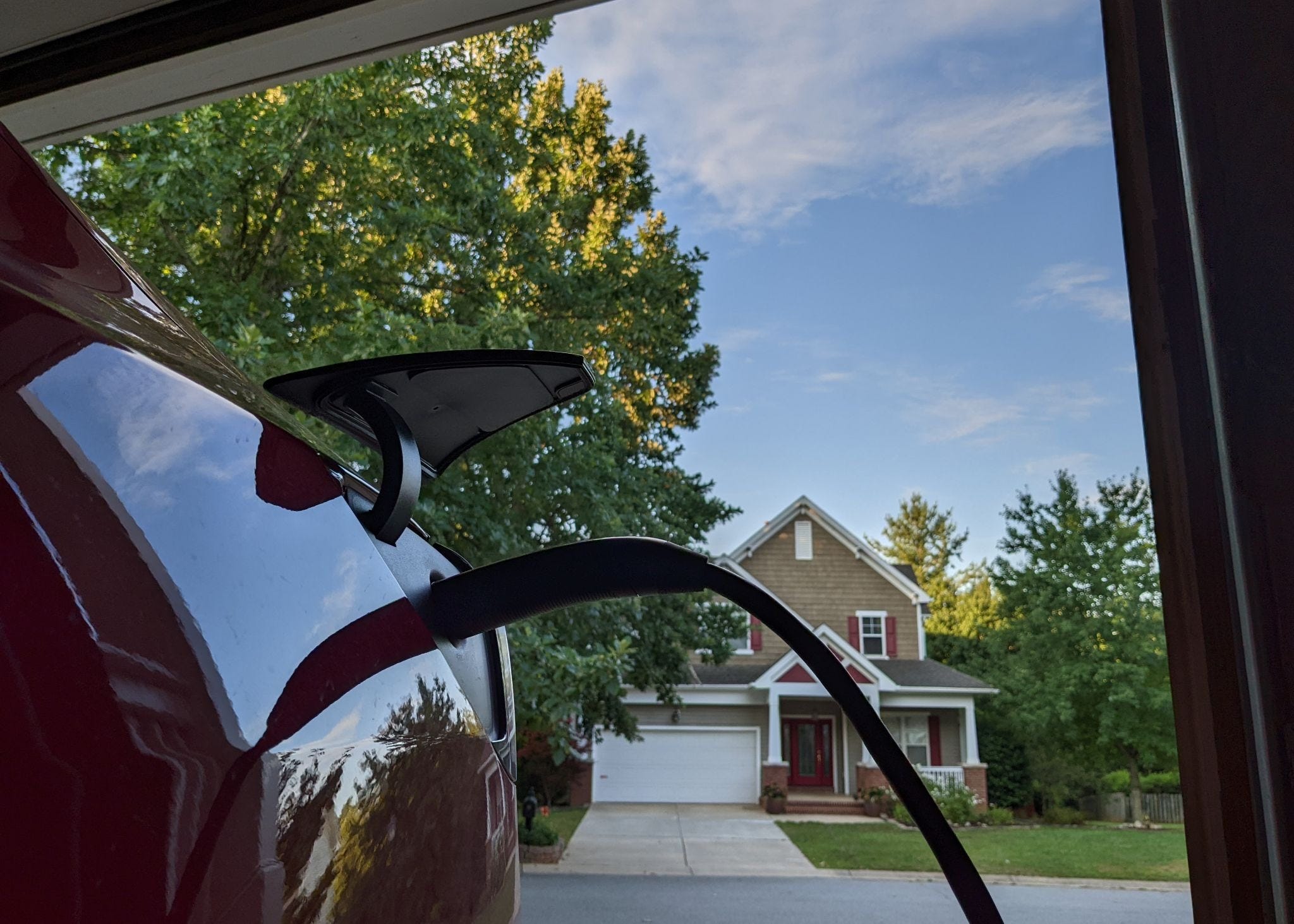
In 2026, there are now affordable EVs on the market both as new cars and in the used car market. And charging an EV is less expensive than filling a gas tank. This is true at fast-charging stations when I travel longer distances, and especially true when I charge at home with residential rates for electricity which accounts for most of my electric use for the EV.
It’s also extremely convenient to charge an EV at home. It’s easy to get used to not needing to stop at gas stations around town.
Many people are finding ways to simply not get in their car as much. Walk, bike or take public transit instead. Intentionally live where this is possible. A variation to extend the area you can cover with urban and suburban biking is to get an electric bike for trips near your house.
Hybrid cars that get over 40 mpg are a solid second tier choice.
The “Transportation” sector is the largest portion of greenhouse gas emission in the United States. So changing our personal choices around driving – what we drive and when we drive – is a required element of meaningful emissions reductions. And we can personally make these changes today - without waiting for a new law or a new mandate.
Discipline 3: Fly Less
Air travel provides incredible access and convenience. And for many, air travel is deeply tied to a sense of freedom. But true freedom also includes the agency to align our actions with our values. For those of us concerned about the climate, flying less is one of the most powerful, immediate choices we can make.
Avoiding air travel for leisure frequently comes down to finding alternative destinations which you look forward to visiting.
Changing where I daydream about traveling to is a critical step for me in reducing my greenhouse gas emissions from air travel. If I simply focus on the loss, behavior change is difficult. Creating a new destination to look forward to is key. Spend time researching places you can take a fun, enjoyable vacation within driving distance of your home. Maybe use the money you save on air travel as a boost to your budget at the regional destination - or maybe just save the money. This is even more practical if you travel with a family, or if you are coordinating a family get-together. Skip the cruise that departs from Florida, and explore the regional destination your family can drive to.
Using a web-based tool, it’s easy to estimate the emissions from our air travel (or the avoided emissions from a trip not taken). I recommend the CO2 Flight Calculator by MyClimate.
Discipline 4: Heat and Cool Your House Efficiently
To heat and cool your house efficiently, a few steps are required.
First, assure your heat envelope is sufficient. If you have gaps in your thermal insulation or gaps in air sealing, you may be losing the warm and cold air you value in your home. Here is a discussion about how to evaluate your heat envelope and some lessons I learned while evaluating my home.
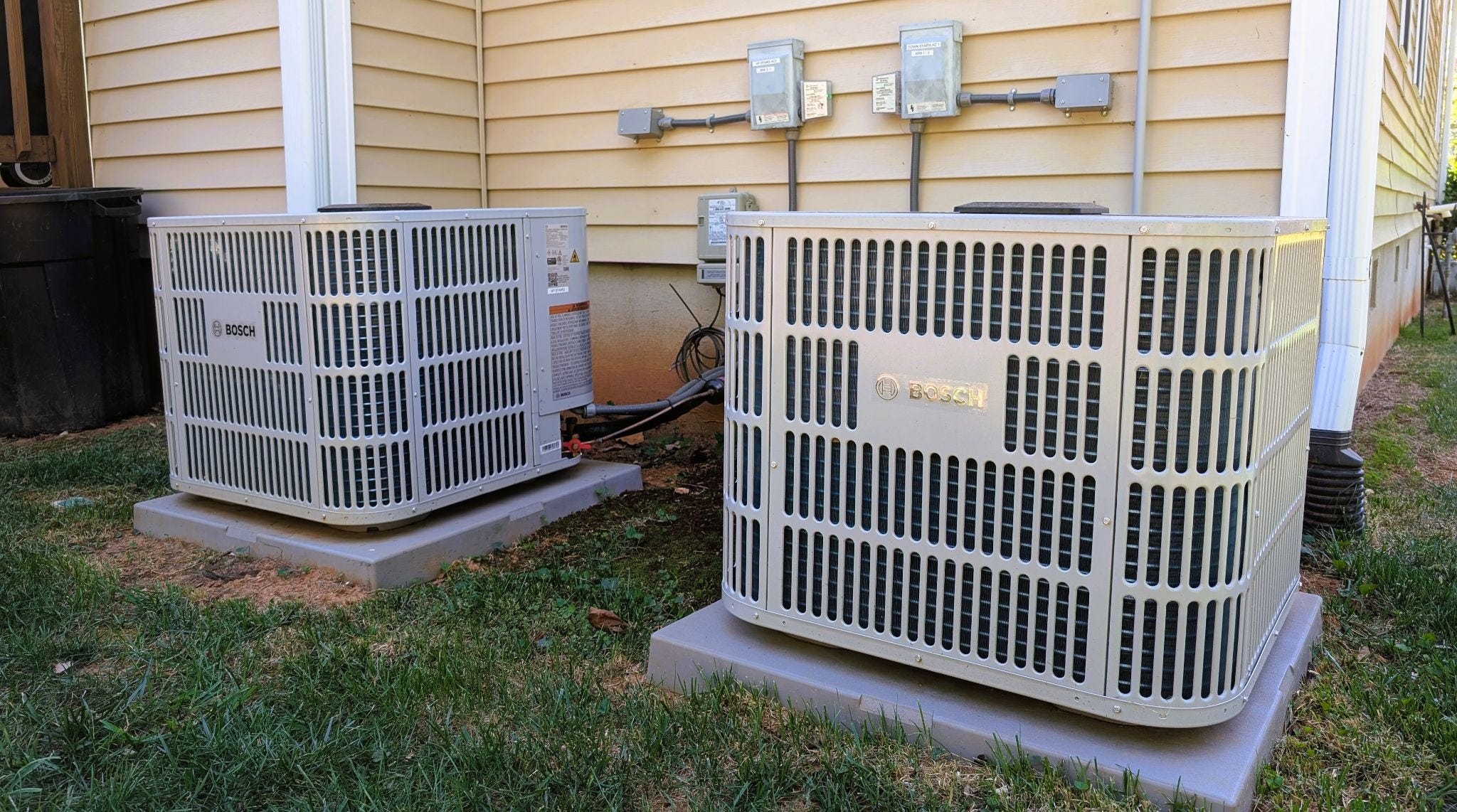
How we heat our homes is a significant wedge in our greenhouse gas emissions. Installing a heat pump is a meaningful step to reduce greenhouse gas emissions while also reducing monthly energy bills.
Stop using electric resistance heaters. Resistance heat is extremely inefficient. My wife and I found out that raising our thermostat a degree was more efficient than putting the Vornado space heater in the room that always felt cold.
Avoid burning fossil fuels to create heat. If you do need to burn fossil fuels, choose natural gas over propane; and choose either of those over oil.
The option I choose is a dual fuel heat pump with natural gas as a backup heat source for colder nights. Your choice may be different based on budgets, regions of the country, climate and home construction.
This is one of the few places where the solution can cost more than the alternatives. After installing my dual fuel heat pump system, my energy bills dropped significantly, but only just enough to cover the increased capital required to install the system over a 15- to 20-year expected life cycle for the heat pump. For me, the additional cost is a real factor but it is not the anchoring criteria for right actions or for following my faith and convictions.
Discipline 5: Optimize Your Other Home Energy Use
There are other large draws of electricity in your home.
Drier: Minimize the heat setting, the duration and the frequency loads in your drier. When a dryer is using warm air to dry clothes, they are typically either using resistance electric heat or burning natural gas to create this heat. Try drying on lower temperatures and line-drying especially for the final portion of the dry cycle.
Hot water heater: Heating water accounts for about 18% of the energy use in an average American home. Explore replacing your current hot water heater with a heat pump hot water heater before you need a replacement. And look for ways to reduce hot water use through actions like washing clothes in cold water or taking shorter showers.
Cooking: If you cook at home, your stove and oven are significant sources of greenhouse gas emissions (directly or indirectly). For the stovetop, induction stove tops cause the lowest emissions, followed by coil stoves and then burning natural gas. Installing an induction stovetop is a meaningful action to cut emissions. And so is minimizing the amount of time your burners are on – simply tending your pots while cooking can help you reduce the heat sooner.
Lighting: I’d put this in three categories. First, transition all of your lighting to LED bulbs. That’s rather simple and saves money. Second, minimize which lights are on. Turning off lights when they aren’t needed is a real savings for emissions and for your energy bill. Finally, avoiding or minimizing the social use of lighting for decorations and enhancing the look of your property. This includes minimizing outdoor flood lights and seasonal displays. Cutting outdoor lighting is also good for birds and other wildlife.
Discipline 6: Generate Your Own Solar Electricity
I’d prefer to see the entire grid transition to electric generation that has lower greenhouse gas emissions (solar, wind, geothermal, nuclear.) Utility scale solar systems cost less per kWh then residential systems. But after understanding the science of climate change for over 40 years, there are governments and utility commissions across the United States that have not transitioned the to cleaner energy generation. For a general overview of how clean your electricity is, here is an Energy Information Agency graphic showing the emissions per unit of electricity generated by state in 2020:
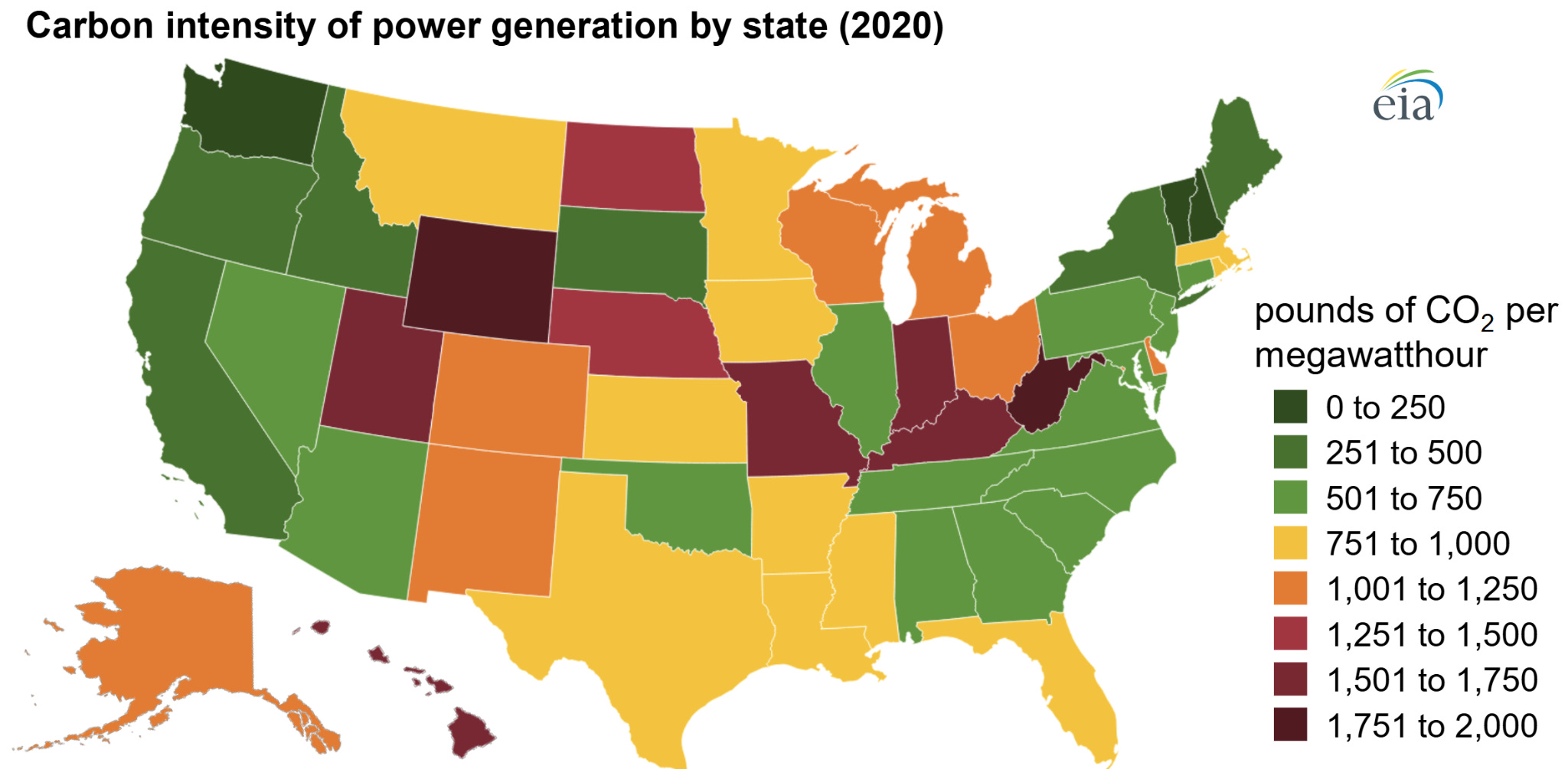
Our electric grid is not neatly divided by state lines, so this graphic may not accurately represent the emissions caused by the generation of the electricity you use.
If your electricity is already below 250 pounds of CO2 per megawatt-hour (MWh), there is less benefit from putting solar on your home. However, if the emissions from your electricity is higher, especially if it is significantly higher, there is a real benefit from generating your own electricity and installing a residential solar system.
A solar array combined with a battery also makes your home significantly more resilient. In September of 2024, hurricane Helene knocked out power for my hometown of Asheville, North Carolina. For four days our neighborhood did not have power. My home is equipped with solar panels and a battery, and we had electricity for our basic critical loads: our freezer, refrigerator, a toaster oven, a heating plate for boiling water and cooking, some of our lights and some outlets. Our front porch plugs were a hub for neighbors to charge their electronics any time of day or night. This added resilience is another benefit beyond the lower monthly energy bills and the significant reduction in our emissions.
Other Actions That Matter
These six disciplines form a cornerstone for climate action. But other actions will also be required to align our collective response. Our global response is complex and involves personal choice, industrial production choices, government choices (the military is the largest institutional energy user in the United States), legal frameworks, and local policy decisions. And all of the legal and policy choices will try to influence the behavior changes outlined in the six disciplines across the entire country. But we can choose to change, of our own free will, today.
Beyond accepting responsibility for your personal greenhouse gas emissions, here are a few other focused actions that really do make a difference.
Vote in every election. Voting is a basic right and responsibility in a democracy. It is important that we elect leaders who will act to address climate change. Furthermore voting is important because politicians specifically listen to and poll people who vote. If you don’t vote, politicians attempt to screen out your views and opinions from their polling on the views of “likely voters”.
Talk about your actions with anyone who will engage. Raise the subject with people you connect with. Let the other person speak, and be curious about their views. And, let them understand the issue is important to you. Simply talking to people you know leads to a greater acceptance of climate science.
Invest sustainably. If you have assets you are investing, make sure you are not financially supporting the behaviors, products and services you are trying to avoid. Want a place to start? Pick up a copy of Your Essential Guide to Sustainable Investing (Larry Swedroe & Samuel Adams, 2022) or The Sustainable Investor (Peter Krull, 2025).
So, take a deep breath and don’t feel overwhelmed the next time that reducing your own carbon footprint seams to complex or to abstract of an idea to act on. Focus on these six disciplines. Pick one to start. You don’t have to make all of the changes today. Just keep working so your choices are aligned with your values and your concerns about climate change.
Jim
Yes, great list. Although I would personally put the 'talking about it' higher on the list. Not necessarily with the goal of convincing other people, but mostly to break the so-called 'spiral of silence' - the assumption that we are part of a minority group and that the people around us probably think differently about the topic, which keeps people silent about it. Because most people care about it, but it doesn't show because we don't talk about it enough. Which also keeps people from acting, because it's more uncomfortable if you are convinced that those around you won't support it.