

I consider reducing my emissions as a fundamental step in my response to the knowledge of how human caused emissions of carbon dioxide and methane are changing our planet. And because climate change is a systemic issue, we also need a collective, shared response. In the United States, we have failed to develop a meaningful collective response over the last 40 years.
Reason 1: Electing the Right People
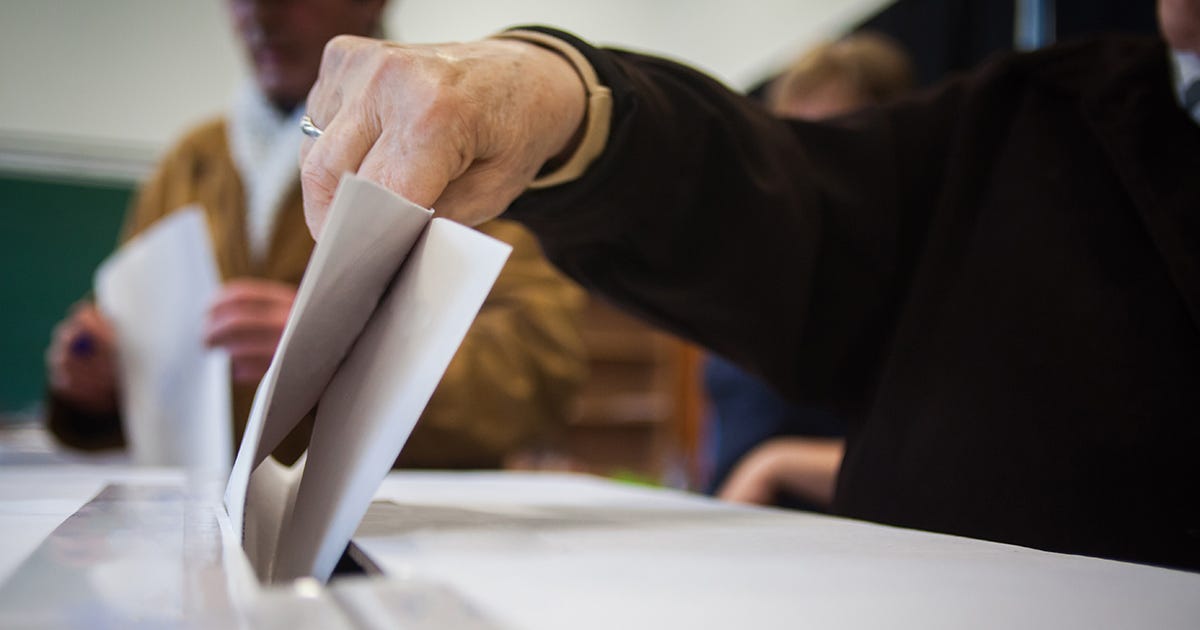
The simple act of voting is a cornerstone action to build a collective response. We elect representatives to write legislation that defines our collective actions, and we elect leaders of our administrative branch to codify and implement these laws, and we often elect senior members of the judicial branch to interpret disagreements regarding these laws. Make sure your vote is counted as we continue to elect people to fill these important roles at a local, state and national level.
Reason 2: Emphasizing Your Values
Politicians do consider and weigh public opinion when they are choosing policy positions and choosing priorities for their focus. And not all members of the public are considered equally. The views of people who vote are prioritized and emphasized over the views of people who do not vote. It’s that simple. And the preferences of people that vote in both primary and general elections carry even more weight. People who voted in the last election cycle, or the last primary and general election cycle, are much more likely to vote in the next election cycle when the politicians will again need their vote. (See for example the Sarah Anderson, Daniel Butler and Laurel Harbridge-Young 2026 article in Quarterly Journal of Political Science.)
And the views of people that don’t vote? Their views are safely ignored - there is no consequence for disappointing them.
In North Carolina, where I live, if I know a person’s name and year of birth (easy data for a sophisticated polling company to compile), I can pull a record of their voting history in every primary and general election for the last 10 years. (Here’s the site) It is often possible for politicians to figure out who votes and who doesn’t.
So one reason to vote is to elect legislators, administrators and judges who align with your values; and a second reason is to assure that when these elected officials poll their “likely voters” they consider your opinions instead of ignoring your preferences.
Reason 3: The Power of Descriptive Social Norms
A third reason is because your actions also set a social norm for the people you interact with. Simply letting people know that you took the time to vote establishes a descriptive norm - a view that people like them vote. And talking about your apathy and reason for not voting can also influence the social norm that people like you don’t vote. So when you vote, simply mention that you voted this week when you are talking to others. No reason to apply pressure, just make it known that you vote.
One step further can be asking your friends if they’ve voted. And if they haven’t, ask them when they plan to vote, and even how they will fit it into their schedule. When people take time to structure a response and verbalize (or write down in the case of an email) their plan for voting, these people are more likely to complete the task.
Many states have early voting available right now, and the official general election in the United States is Tuesday, November 3.
Have you voted?
Do you have a plan to vote?
When will you fit voting into your schedule?
Reason 4: A Personal Bonus
One final reason to vote that is impactful to me. When I leave the voting booth and walk back to my car, I feel better. I took part in a fundamental civic responsibility. And I am always encouraged by the faces of the volunteers staffing the polling places and the other people in my community I see walking in to vote. It simply feels good.
Thanks for voting in this election cycle,
Jim