

The message from last week is simple: eat no beef and less meat.
While this sounds like something you do - an action you take - it is more of an aspiration. It is a statement describing a desired outcome. The specific actions you take to get there are much more detailed and define specific actions that fit into your day.
Exactly how do we stop eating hamburgers, and eat less pulled pork, and eat more vegetarian options? This begins the conversation of how to convert aspirations into actions - and how to convert our habits into climate actions.
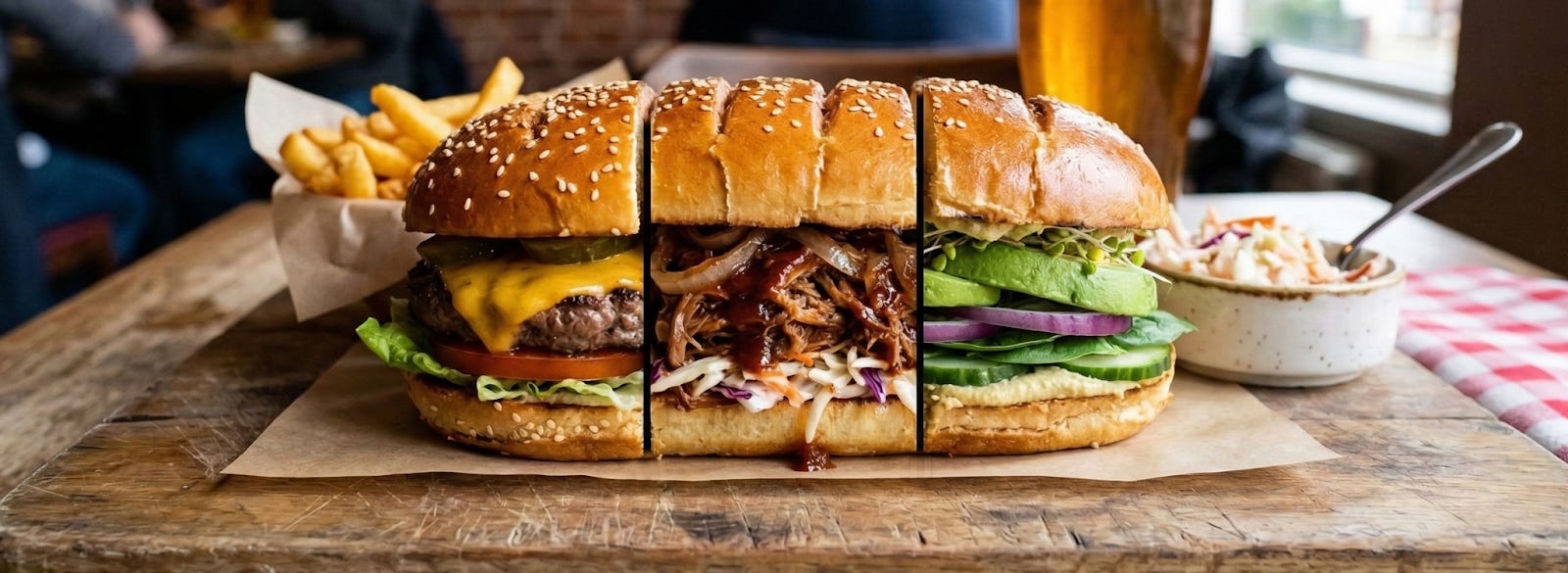
For a few years in a row I committed to my doctor to switch to a “Mediterranean Diet” as my cholesterol levels were at the upper end of the target range. I would change for a meal, or a day, but as a week or a month went by and I was surrounded by the same cues I had before, I reverted mostly back to my previous diet. Changing a deeply ingrained habitual behavior, such as what I eat for lunch and dinner or where I get a meal out is a challenge. And it is virtually impossible if I do not change the cues that trigger my food choices.
Behavior change is not as simple as reading a post I agree with and then my behavior changes.
I have years or decades of training on my current behaviors. Simply committing to reduce my emissions won’t get me to stop eating two sticks of cheese a week, stop me from ordering a burger or chicken sandwich the next time I’m at a fast-food restaurant, or stop me from ordering chorizo on my huevos rancheros at my favorite diner. Not if these behaviors were actions I had repeated for the last decade.
To change my diet, I need to understand my current habits related to my diet — the actions I do with minimal thought as if automatic. Most of the time, these habits are healthy — they save me time and mental energy. If I had to actually think through every choice I make in a day, I’d be frozen in indecision: evaluation paralysis. The goal is not to eliminate our habits, but to be aware of them and find ways to adjust the habitual behavior we want to change.
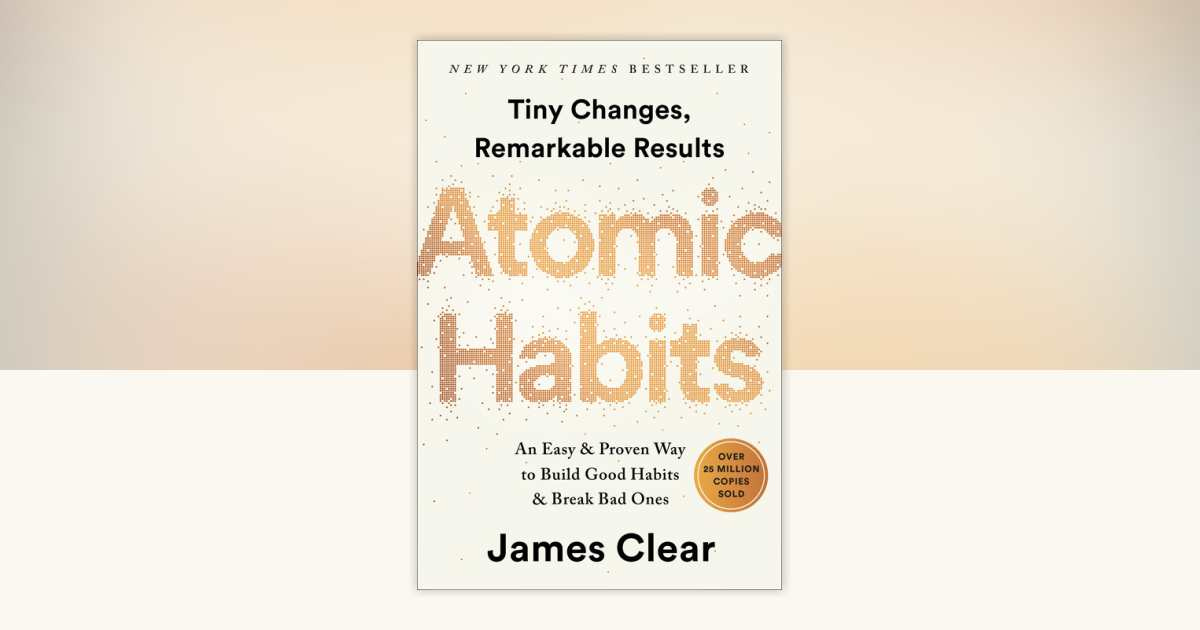
In his book Atomic Habits, James Clear coherently summarizes decades of work on our habit loops.
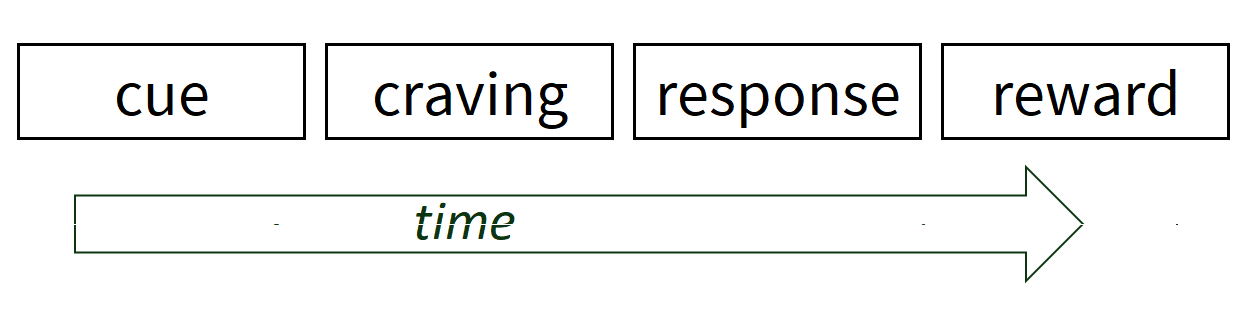
When a cue happens in our environment, we develop a craving. The craving leads us to act or respond with a behavior or response that gains some type of reward. And the reward reinforces the link between the cue and the craving which starts the cycle again the next time we are confronted with the cue.
For me, the cravings often go unnoticed. When I see my phone sitting on a table, I don’t consciously feel a craving - I just pick it up, check the weather, then the news, maybe a new text message and subsequently move on to skimming emails and then checking how my latest Substack post is being received…. An entire sequence that is triggered by seeing my phone (or maybe cued by finishing a task and thinking “I want a quick break”). A perfect example of cue, craving, response, reward.
Similarly, the reward can be below my level of consciousness. It is not a reward like a payment - it is a psychological reward. I might get to relax, or just tune out for a few minutes. I give myself a mental break even if I might, on a conscious level, understand that a short walk is a much better way to take a break than checking Google News (again).
Cues that impact what we eat
We constantly receive a myriad of cues related to eating, and these help us make our way through the broad suite of options available to us.
Seeing that it’s 11:55 AM is a cue for lunch; simply walking by my kitchen can be a cue to grab a snack; driving by the Dunkin Donuts on the corner can be a cue for desiring a cup of coffee (and maybe a donut while I am there).
One strategy for eating no beef and less meat is in managing our cues. James Clear recommends that we “reduce exposure. Remove the cues of your bad habits from your environment.” To eat no beef and less meat, this might include any or all of the following “actions”:
Have no beef and less meat in your refrigerator. Begin by not buying beef and buying less meat at the grocery store. At the same time, buy alternatives you like - for me that’s spicy jalapeño hummus & avocado as a base for lunch sandwiches.
Don’t walk into a restaurant where you always get a hamburger. Instead, take a minute and list out a suite of local restaurants you will eat at, and another list of restaurants that do not support the diet you are trying to eat. Then suggest a restaurant the next time you are going out with friends - or suggest an alternative when they pick a place that just serves steaks or burgers. The menu and ordering process at a steak house is a clear cue for a craving for a good cut of beef. Simply not walking into the steak house, or not entering a drive-through for your favorite fast-food burger stop is a meaningful strategy. And it takes having alternatives.
When eating out, pick what you want to eat from the on-line menu before entering the restaurant so that ordering is less influenced by the picture of the dishes the restaurant puts in their menu, the smells of the food or the conversation at the table.
Have desirable alternate food items in your refrigerator and food pantry. Create a new cue that supports the diet you choose.
Another path is to work on the “reward” - make sure that eating vegetarian meals is enjoyable and take a moment to appreciate the choice you have made - even if this feels mechanical at times. When we focus on a positive reward for an action we want to repeat, we reinforce the “desire” the next time we are exposed to the cues that were present.
Get a meatless meal with friends at a restaurant that offers good vegetarian meals.
Anticipate ordering your favorite vegetarian meal - like Pad Thai with vegetables or vegetable fajitas.
Enjoy a dairy free treat like So Delicious cashew-based ice cream.
After you cook a new vegetarian meal, take a minute to linger on how good it tasted even if it was as simple as Rotel, black beans and rice.
Lingering on your own satisfaction can help build a cue to cook that meal again. (“Make it satisfying” in Atomic Habits.)
And make it easy to eat vegetarian (and eat no beef) with a few simple steps:
Buy a vegetarian cookbook - one that looks like you’d cook the meals, not one where each recipe sounds like it will take a full day to cook. And list out the ingredients for a meal on your shopping list. Power Plates by Gena Hamshaw helped me learn to be a better vegetarian cook.
Pre-plan your meatless meals and make a grocery list to assure you buy what you need while in the store.
Control what you have in your kitchen. Just having almond milk in the refrigerator and no cow’s milk makes it almost a certainty that you’ll at least try the almond milk in your coffee - if, as I do, drink coffee with creamer.
Create a list of vegetarian restaurants near you to try. Reduce the barrier to finding the restaurant to eat at when you are hungry and in a hurry. Find and try all of the Indian and Thai restaurants in your area - explore the different dishes. For a quick meal, I enjoy build-your-own burrito places like Chipotle or Moe’s. Walking into an appropriate restaurant is the most certain way to make sure there are multiple meatless options available that taste great.
Load the Happy Cow app on your phone so you can find vegetarian friendly restaurants when on the road (or at home).
Not practicing is practicing
Don’t try to change everything at once.
And accept that you will regress on occasion. Examine the cues leading up to biting into that hamburger. By examining what cues triggered the behaviors you are trying to avoid can help you find ways to minimize or eliminate those cues.
“Habit formation is the process by which a behavior becomes progressively more automatic through repetition. The more you repeat an activity, the more the structure of your brain changes to become efficient at that activity. Neuroscientists call this long-term potentiation, which refers to the strengthening of connections between neurons in the brain based on recent patterns of activity. With each repetition, cell-to-cell signaling improves and the neural connections tighten...
“Each time you repeat an action, you are activating a particular neural circuit associated with that habit. This means that simply putting in your reps is one of the most critical steps you can take to encoding a new habit.”
James Clear. 2018. Atomic Habits. Chapter 11; p143-144
Suggestions for this week
Take time to break down the habits and routines that impact your diet - especially those that appear to get in the way of eating no beef and less meat.
Take the time to explore Atomic Habits by James Clear as if it were a climate change book - you may find it valuable for both how you address climate change and how you address other areas in your life.
Now go explore what it means to hold an aspiration to eat no beef and less meat.
Jim
Long term habits won’t change overnight. Don’t be discouraged if your progress takes longer than you expected. It’s worth the effort in the end. Repetition of an action is key. Before you know it, that action becomes a habit, like exercise, positive thinking or any other behavior that you want in your life.
Super practical pathway for us to pursue. Rome wasn't built in a day, but you've got to make a plan and start with the foundation!!